All Categories
Featured
Table of Contents
- – Rv Rubber Roof Repair Tustin, CA
- – OCRV Center
- – Rv Rubber Roof Repair Tustin, CA
- – Rv Roof Repair Near Me Tustin, CA
- – Rubber Roof For Camper Tustin, CA
- – Motorhome Roof Replacement Tustin, CA
- – Roof Repair For Rv Tustin, CA
- – Rv Roof Repair Tustin, CA
- – Motorhome Roof Replacement Tustin, CA
- – Roof Repair For Rv Tustin, CA
- – Epdm Rv Roof Repair Tustin, CA
- – Replace Rv Roof Tustin, CA
- – Rubber Roofing For Campers Tustin, CA
- – Roof Repair For Rv Tustin, CA
- – Rv Roof Maintenance Tustin, CA
- – OCRV Center
Rv Rubber Roof Repair Tustin, CA
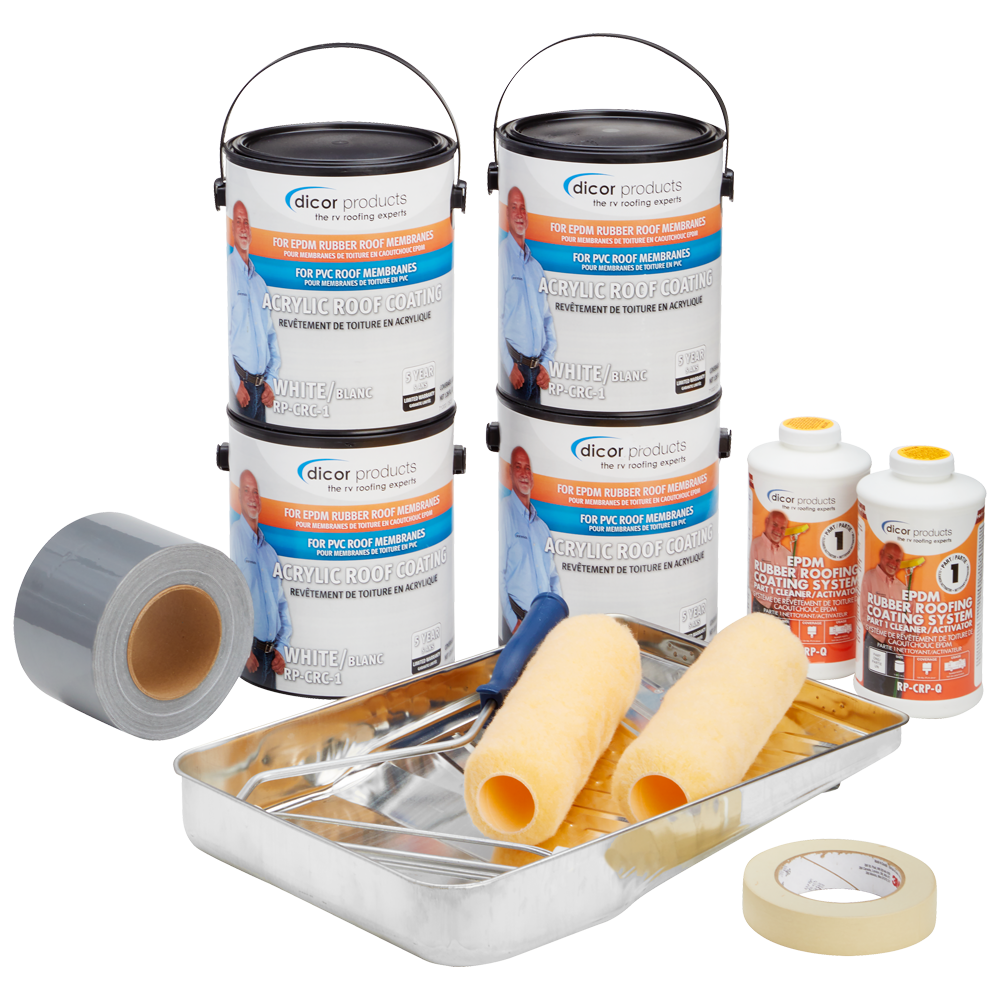
For fiberglass roofing systems, initial sanding is suggested to guarantee the finishing sticks properly.: Healing times vary with temperature and moisture. If the covering starts to skin over in the jug, remove this layer and mix well before continuing. For application, common paint rollers are suitableapply with a light touch, yet do not be reluctant with the amount of coating you roll on.
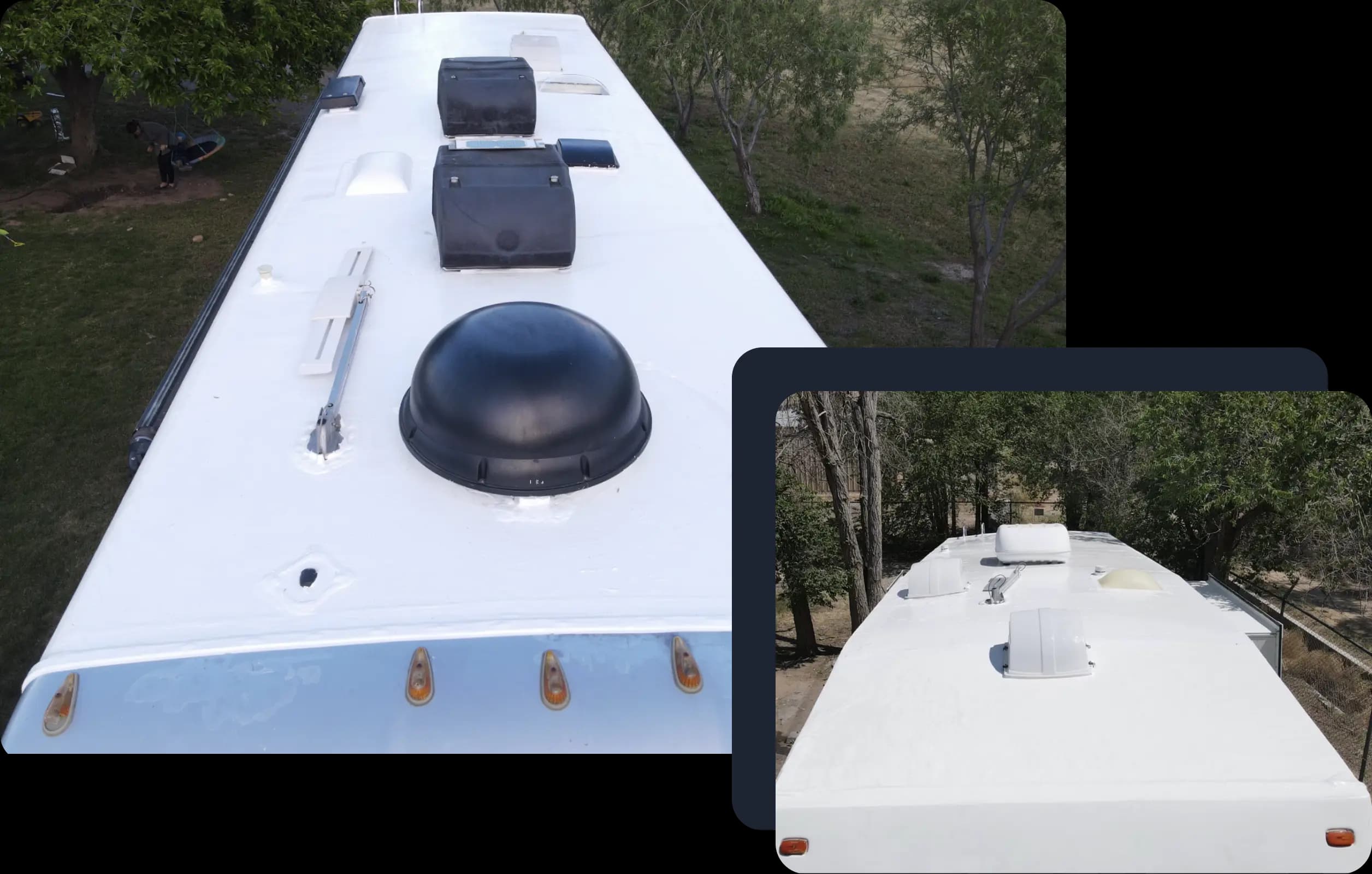
We wait the top quality of our product with a 100% Lifetime Warranty, giving you with total confidence in your purchase. That's just how very easy it is to fix your RV's roof and neglect concerning doing roof covering maintenance ever before once again. Go in advance and recover your roof covering for the last time now.
Acetone and dustcloths for a last clean (available at shops like Home Depot or Walmart). One-time use paint brushes, rollers, and post extensions (can be found in a Dollar Store). Paint tray and little pail Non reusable gloves Painter's tape.
Membrane can be glued either side down. Single-Ply membrane layers are the exact same shade throughout. Membrane layer should be mounted onto tidy wooden surface, do not set up on top of existing membrane, glue, etc. Router all vent and accessory openings. Sand all openings, seams, and sides to a smooth finish. Get rid of all particles off roofing system with air pipe.
Rv Rubber Roof Repair Tustin, CA
"Bed Sheet" the membrane layer (Rv Trailer Roof Repair Tustin). That is, fold it in half so fifty percent of the roofing is exposed. 3. Apply sticky in a damp movie density of 8-10 mils with a short-napped paint roller to the revealed half of the roofing outdoor decking, brush can be used however is harder. (1 gal.
- Get rid of all air pockets and creases with a squeegee (grey neoprene head will certainly not streak) or linoleum roller; press firmly working from the center exterior towards the sides, do not get on the roof throughout this time. All creases have to be removed at this moment for a top quality installment.
Different technique, standard membrane in location using" staples 3"-5" apart then use bar. If roof-edge moldings are not set up on roofing system during this time membrane will peel-up as drying out.
Rv Roof Repair Near Me Tustin, CA
Both sides of the front and back roofing system molding should be sealed with caulk/sealant. Making use of an energy knife "x" cut all roofing system openings.
To accomplish ideal bond, put on both substratums with 5-6 mil coat weight and allow to dry, then laminate to membrane and use stress with roller to guarantee 100% get in touch with. Diluent Water, if required. Usage as obtained. Clean-up needs only cozy water. Store product in an awesome, dry area. Item ought to not be kept in direct sunlight.
Eye call If product get in touches with eye, flush with water for at the very least 15 minutes and seek medical focus immediately. Skin get in touch with If product contacts skin, clean impacted location with soap and water.
Rubber Roof For Camper Tustin, CA
Mask both sides of joint with covering up tape. Cut nozzle to wanted bead dimension. Pierce seal. Lots sealer cartridge in caulking gun. Place nozzle into joint and use sealer right into space. Use above 40 deg F (5 deg C)Smooth or "tool" bead if needed. Get rid of covering up tape quickly. Wipe hands and devices thoroughly prior to cleaning with soap and water.
In situation of eye contact flush eyes with water for 15 minutes and call a medical professional. In case of skin get in touch with, thoroughly wash skin with soap and water.
Motorhome Roof Replacement Tustin, CA
My Motor home roofing system that needs to be changed! If you're like me and have more time than money, then maybe your ideal choice is to purchase an old Recreational vehicle and fix it up.
I obtain it. I bought my recreational vehicle over a year back and didn't have the guts to start tackling this task until today. I'm below to tell you, if I can do it, you can do it. Can I actually do it? Keep tuned and discover out! I acquired this 1993 Jamboree for $5000.
Roof Repair For Rv Tustin, CA
Water damages! I've never functioned on a RV prior to and I have to admit, I'm scared. Hopefully if you're thinking about doing this yourself, complying with along on my Motor home roof replacement task will certainly offer you the guts to dive in!
That appeared to be my most inexpensive alternative.
I figured I would rather have it semi-portable so I selected the canopy, plus this enables me to adjust the elevation backwards and forwards when I need to. Rv Trailer Roof Repair Tustin. Of course the least expensive alternative of all would be to simply toss a great tarp over the top of your recreational vehicle for wet days and just work with bright days! Originally I increased the legs with 1 1/2 PVC pipeline that fit inside the legs and after that I attached a hose clamp around the PVC pipeline to stand up the cover legs
Rv Roof Repair Tustin, CA
This is still a little saggy. I possibly ought to have forked out for some stiff steel pipeline from the beginning.
An old patch task on the Recreational vehicle rubber roof covering. As you can see, this roofing has had a whole lot of concerns over the years.
On the bottom is the original EPDM rubber roof covering layer. I know it's EPDM rubber and not TPO rubber since of the black backing. On top of my EPDM roof is a slim Recreational vehicle roofing system coating that was used later on.
Motorhome Roof Replacement Tustin, CA
I just left the roofing covering stayed with the EPDM roof covering and drew them up together. (You don't require to peel them up separately.) Starting to peel roof covering finishing. Peeling up section of the lower layer of rubber. This shows that the original recreational vehicle roofing system was EPDM because of the black support.
I reduced lines with an energy knife around fixtures. All rubber roof covering gotten rid of from camper. This action went pretty promptly. There was a glue under the bottom layer of rubber that was still rather well stuck in numerous areas, however with a great little pressure it peeled off up cleanly.
Roof Repair For Rv Tustin, CA
Now I can see all the harmed plywood roof outdoor decking below. HEADS UP! You may not want to peel off the rubber! I picked to peel the rubber before eliminating fixtures simply so I could see what I was handling. Yet I have to alert you, the old adhesive was still sticky, and a pain to stroll on.
If you believe you'll be saving the roof covering decking plywood (not replacing it), then you could save yourself some clean-up problem by removing the components first and after that peeling up the rubber! Extra water harmed areas on RV roof covering decking.
I went for the easiest one first, a vent cap from a cooking area sink plumbing air vent pipe. Starting to scuff caulk and sealant. I utilized a rigid scrape with a chisel-like blade and simply began prying and damaging and scuffing and hacking. There is no other means around this, you just need to begin excavating until you expose the screw heads.
Unscrewing the screws in air vent cap. The screws on this vent cap were hex-head metal screws so I utilized a little socket vehicle driver to remove them. Some came out tidy. Others were rusted and I had to use a vice-grip pliers to order the heads and turn them bit by bit.
Epdm Rv Roof Repair Tustin, CA
I discovered an old wasp nest inside the vent cover. This is a sight I'll most likely have to get used to, finding the remains of animal habitation high and low. I invest a horrible great deal of my time developing good wildlife environment in my yard so I don't obtain annoyed when a creature chooses to set up home in my motor home.
The good news is nobody was home in this old nest so I simply threw it. Probably I'll put a screen over it when replacing it. Which brings us to the next factor. You should try not to damage these pieces (like vent covers and caps) as you're removing the old caulk and sealer just in case you need to utilize them once more.
My roofing system vent likewise had an air vent cover over it. Starting on the roofing air vent. Hardware revealed on roof vent cap, the initial nut came off clean.
Replace Rv Roof Tustin, CA
Screw is rotating. The bolts on this recreational vehicle roofing air vent cover were nuts on small bolts. The initial one came off great with an extension socket kit. The 2nd one just began rotating, implying the bolt was not repaired in position yet turning in addition to the nut. Drag. A peek at the hardware holding down the roof vent cover.
I really did not have any excellent way to hold the bolt in location so instead I opted to saw through the screws with a reciprocating saw. Sawing with bolts on roof covering air vent cover - Rv Trailer Roof Repair Tustin. I made use of a cordless reciprocating saw with a metal-cutting blade but it was tricky to get the blade level enough to get to the bolts so near to the roof deck
Bending the blade a little to reach close to the roofing deck. Once I had sawn via the continuing to be 3 bolts, I pried up the cover. The brackets that were holding the cover in location. Cover eliminated from roof covering air vent. Then I unscrewed the braces from the flange of the air vent fan itself.
Many were so old and rusted that they sheared off when I loosened then with a great deal of pressure. Loosening the brackets that held the vent cover in position. I scraped much more caulk and roofing system sealant off the flange of the roof covering vent itself. I soon discovered there disappeared screws or hardware quieting so I quit on the scraping and went inside the RV After scratching the caulk and sealer from flange of roofing system air vent, say goodbye to screws! Unscrewing the inside cover plate of roof covering air vent fan in RV restroom.
Rubber Roofing For Campers Tustin, CA
A couple sheared off with a whole lot of force, however 2 wouldn't move. So I had to pierce out the screw heads. I picked a drill little bit near to the size of the shaft of the screws that I had already taken out and started drilling. Picking a drill little bit for drilling out a screw head.
Rather of standing out off the screw head, the plastic just melted away around the hot screw head. Hope I do not have to recycle this cover.
All edge brackets removed, all set to pull out. When the brackets were out I returned up top to tear out the the roofing system vent. Then I scratched up all the continuing to be substances and rubber roofing. Taking off the old roofing system vent. There are 2 wires running to the roofing air vent (a black hot cord and a white neutral cable) that you'll need to clip to eliminate the old vent.
Roof Repair For Rv Tustin, CA
These are the cables attaching the roofing system venting fan. I clipped them just above the blue splice joints. Roofing vent removed and cleansed up. After clipping the cable and getting rid of the vent, I tidied up any kind of staying goop and obtained my very first excellent take a look at the roofing system frame. It's steel! 1 1/2 inches thick.
Some motor home roofings are mounted with timber, others have metal framework. I had no idea what remained in my camper until this point. Not also happy regarding the quantity of rust on it, but ideally it is still structurally seem! I scraped off some corrosion and made a big mess inside the washroom.
Oops. Maybe I must have put a tarpaulin down. My last objective of the day was to obtain the fridge vent cover off. I saw motor home sealant blobs at 4 factors on the cover so assumed there have to be screws under them. I tore them up and found Phillips screw heads.
Rv Roof Maintenance Tustin, CA
Subjecting the screws in the fridge vent cap. Peeling old recreational vehicle roofing finish in addition to fridge air vent cap I also observed that there was a coat of motor home roof covering finish over the air vent cap. These finishings are repainted on with a brush so plainly whoever did this finishing just blobbed in on top of everything.
Class C Rv Roof Repair Tustin, CARv Trailer Rubber Roof Repair Tustin, CA
Rv Roof Repair Fiberglass Tustin, CA
Best Rv Roof Repair Tustin, CA
Best Rv Roof Repair Tustin, CA
Class C Rv Roof Repair Tustin, CA
Rv Roof Maintenance Tustin, CA
Rv Roof Repair Near Me Tustin, CA
Rubber Roof Installation Tustin, CA
Class C Rv Roof Repair Tustin, CA
Rv Rubber Roof Repair Tustin, CA
Rubber Roof For Rv Tustin, CA
Motorhome Roof Replacement Tustin, CA
Best Rv Roof Repair Tustin, CA
Resealing Rv Roof Tustin, CA
Rv Roof Repair Near Me Tustin, CA
Replace Rv Roof Tustin, CA
Rv Roof Repair Near Me Tustin, CA
Rv Rubber Roof Replacement Tustin, CA
Rv Roof Repair Fiberglass Tustin, CA
Roof Repair For Rv Tustin, CA
Rv Roof Leak Repair Tustin, CA
Best Rv Roof Repair Tustin, CA
Rv Roof Leak Repair Tustin, CA
Repair Rv Roof Tustin, CA
Repair Rv Roof Leak Tustin, CA
Rv Rubber Roof Repair Tustin, CA
Rv Rubber Roof Repair Tustin, CA
Rv Roof Repair Fiberglass Tustin, CA
Rv Roof Repair Tustin, CA
Rv Roof Repair Near Me Tustin, CA
Rubber Roof For Camper Tustin, CA
Rv Rubber Roof Replacement Cost Tustin, CA
Rubber Roof Installation Tustin, CA
Motorhome Roof Replacement Tustin, CA
Rubber Roof For Rv Tustin, CA
Rv Roof Repair Near Me Tustin, CA
Rubber Roof For Camper Tustin, CA
Repair Rv Roof Tustin, CA
Rv Trailer Rubber Roof Repair Tustin, CA
Rv Rubber Roof Maintenance Tustin, CA
Epdm Rv Roof Repair Tustin, CA
Best Rv Roof Repair Tustin, CA
Epdm Rv Roof Repair Tustin, CA
Rv Slide Out Roof Repair Tustin, CA
Class C Rv Roof Repair Tustin, CA
Rv Roof Maintenance Tustin, CA
Rubber Roof For Rv Tustin, CA
Roof Repair For Rv Tustin, CA
Rv Roof Repair Tustin, CA
Rv Rubber Roof Maintenance Tustin, CA
Rubber Roofing For Campers Tustin, CA
Class C Rv Roof Repair Tustin, CA
Rubber Roof For Rv Tustin, CA
Rubber Roof For Rv Tustin, CA
Rv Roof Repair Fiberglass Tustin, CA
Rv Rubber Roof Replacement Tustin, CA
Rubber Roof For Rv Tustin, CA
Rubber Roofing For Campers Tustin, CA
Rubber Roof For Camper Tustin, CA
Rv Rubber Roof Replacement Cost Tustin, CA
Repair Rv Roof Tustin, CA
Repair Rv Roof Leak Tustin, CA
Rv Roof Leak Repair Tustin, CA
Replace Rv Roof Tustin, CA
Rv Roof Leak Repair Tustin, CA
Rv Roof Replacement Tustin, CA
Rv Roof Repair Tustin, CA
Rv Roof Repair Fiberglass Tustin, CA
Rubber Roof For Rv Tustin, CA
Repair Rv Roof Leak Tustin, CA
Rv Trailer Rubber Roof Repair Tustin, CA
Rv Roof Replacement Tustin, CA
Rubber Roof Installation Tustin, CA
Rv Trailer Rubber Roof Repair Tustin, CA
Replace Rv Roof Tustin, CA
Rubber Roof For Rv Tustin, CA
Rv Slide Out Roof Repair Tustin, CA
Finding A Local Seo Plans Tustin, CA
Finding A Local Seo Company Near Me Tustin, CA
OCRV Center

Table of Contents
- – Rv Rubber Roof Repair Tustin, CA
- – OCRV Center
- – Rv Rubber Roof Repair Tustin, CA
- – Rv Roof Repair Near Me Tustin, CA
- – Rubber Roof For Camper Tustin, CA
- – Motorhome Roof Replacement Tustin, CA
- – Roof Repair For Rv Tustin, CA
- – Rv Roof Repair Tustin, CA
- – Motorhome Roof Replacement Tustin, CA
- – Roof Repair For Rv Tustin, CA
- – Epdm Rv Roof Repair Tustin, CA
- – Replace Rv Roof Tustin, CA
- – Rubber Roofing For Campers Tustin, CA
- – Roof Repair For Rv Tustin, CA
- – Rv Roof Maintenance Tustin, CA
- – OCRV Center
Latest Posts
Best Internet Marketing Agencies Fullerton
Best Web Design West Covina
Marketing Consulting Services Internet Marketing Services Rowland Heights
More
Latest Posts
Best Internet Marketing Agencies Fullerton
Best Web Design West Covina
Marketing Consulting Services Internet Marketing Services Rowland Heights